Tuesday, March 27, 2012

More Pictures!

Lindsey and Gladys making tortillas
Parade
Zoe playing the marimba
Gillian and Gladys making tortillas
Crowd at the parade
Watching the parade
Little ducklings
Church in the Parque Central in Antigua
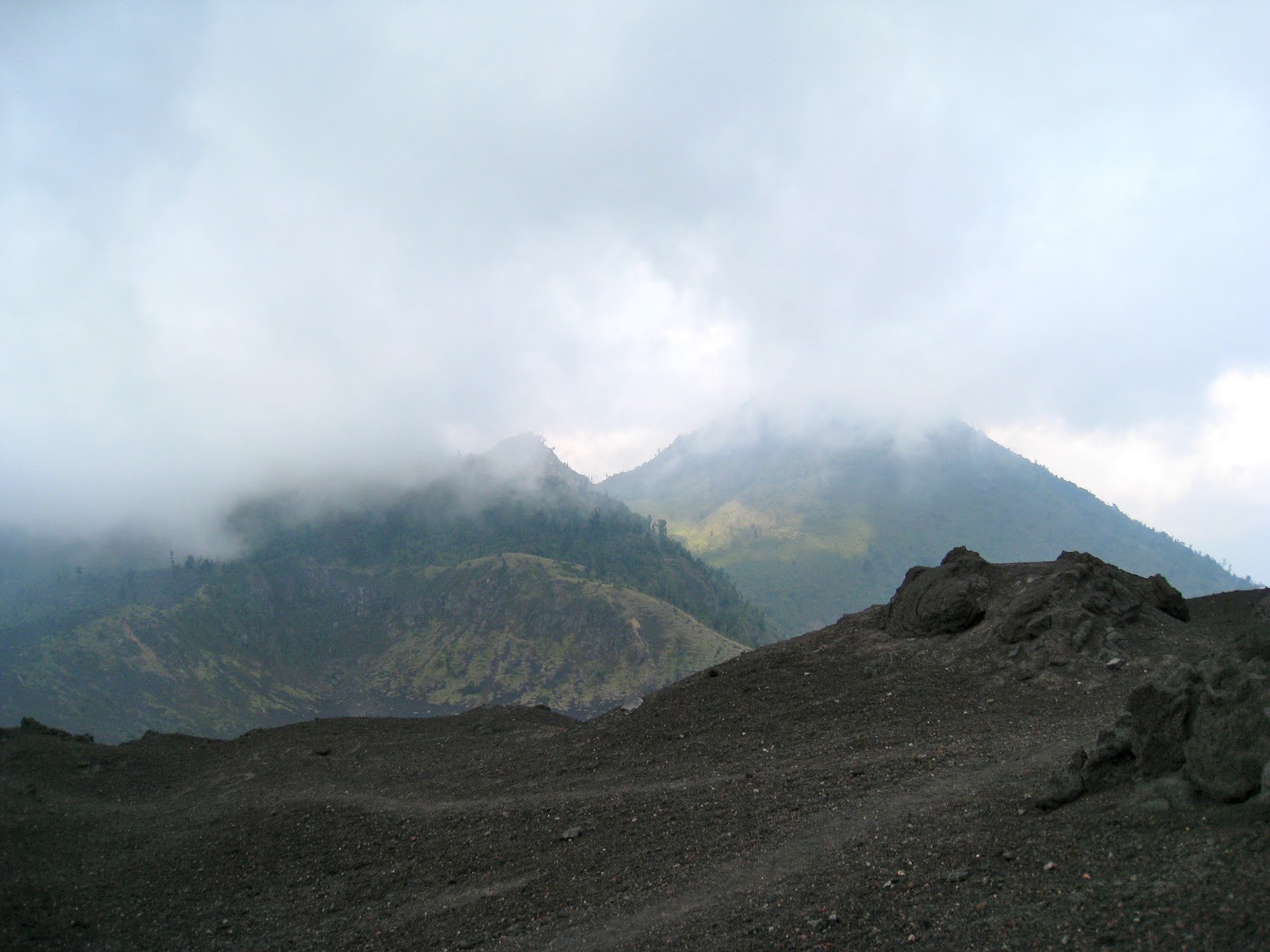
At the top of Pacaya (the volcano)
A selection of Guatemalan corn 
Assembling peanut butter and banana sandwiches on top of Pacaya

Day 4: Ministry of Health

Buenas noches,

We had a very productive and thought-provoking day today! We drove to Guatemala City and met with Dr. Miriam Bethancourt, the current director and Dr. Antonio Petzey, the incoming director of Reproductive Health at the Ministry of Health. The first portion of our meeting focused around Miriam telling us about the current guidelines for folic acid standardization and distribution. She informed us that currently they recommend 5 mg of folic acid once per week during pregnancy. There are 2 ways that women can get folic acid:
  1. Directly from the Ministry of Health, free of charge 
  2. Through pharmacies, no prescription needed
She also stated that although not in the Ministry guidelines, they do recommend that physicians tell women of reproductive age to take folic acid 3 months before pregnancy.

Since this is all consistent with international guidelines, we asked her why she thought the prevalence of neural tube defects remained so high. She stated a number of reasons:
  1. Women are skeptical of free medication
  2. They do not know of folic acid or its benefits and therefore, they do not know to go and ask for it
  3. Women present late, if at all, to prenatal care and have not been taking folic acid
To combat malnutrition (maternal malnutrition included) in Guatemala, the Ministry has partnered with an organization called Prosan. We met today with Ivette Lemus, a head honcho of this organization. Prosan sets the guidelines for how the Ministry should distribute folic acid, iron, and micronutrient 'sprinkles'. Their program, the Program of Nutritional Health, will be starting in April. This program is focused on 83 towns/villages that have the highest rate of malnutrition and poverty in the country. They aim to give children micronutrient sprinkles every 6 months for the first five years of life. For females aged 10-49, they plan to give 60 mg of iron and 5 mg of folic acid per week, if not pregnant. If pregnant, women will get 120 mg of iron and 5 mg of folic per week. To evaluate the effectiveness of the program, they plan to record the height and weight of children until age five years. 

It seemed to us that all of the pieces to reduce the incidence of neural tube defects are in place, however, the people are not aware of them. Miriam suggested that one way to inform Guatemalan women about folic acid would be through a national advertising campaign. We immediately loved this idea. We discussed this for a while to figure out what mediums would be most effective. Pamphlets seemed to be the most practical option as they can reach the largest number of people. There were many organizations mentioned that would be able to assist in distributing these pamphlets to villages around the country. We also discussed including the pamphlets with folic acid packets so women can learn about what they are taking. Pamphlets would be in Spanish, but translated into the 3 most common indigenous languages. They also would be mostly pictures, as many cannot read (in any language). The ministry is going to collaborate with us to create this pamphlet. Isn't this great?! We're so excited to get started :)

GenetAssist with Dr. Bethancourt, Dr. Petzey and Dr. Ruiz

GenetAssist with Ivette and Dr. Ruiz

Day 3: Scale Up

Hi All,

GenetAssist is tired - we are writing to you just before bed. We had an incredibly interesting day today. We ate peanut butter and banana sandwiches (ingredients purchased from the local Walmart) on top of an active volcano. The climb was long and difficult, but worth it once we got to the top-ish. The first 10 minutes were the worst because we did not know it was going to be so steep. It took about 2 hours, with many rest stops in between. Our tour guide Freddy (who calls himself Freddy Krueger) pointed out landmarks and vegetation along the way. Our favorites were the "cheese leaves" that we used as towels to wipe sweat when we were only 1/4 of the way up. Freddy was very patient.

When we reached the top (or what we thought was the top) we found the highest store in Guatemala. The owner sold jewelry made from volcanic ash from the last eruption in 2010. The proceeds go to families affected by that eruption to help rebuild their homes.

Lava Store

After shopping we stopped to make our lunch. This gave us the fuel to keep climbing to the actual top. We found ourselves in the middle of a crater where the holes in the ground blew hot air like a radiator. Freddy also picked out lava stones for each of us to take home. Next, he tried to persuade us to keep hiking with the promise of marshmallows roasted over the volcanic heat. At this point, GenetAssist declined.

GenetAssist with Lorena, our new interpreter
On "Pride Rock"

After long overdue showers and naps, we met Dr. Ruiz for dinner to discuss our plan for the week. She shared with us her expanding role in women and children's health issues, serving as a consultant to OSAR (Observatorio En Salud Reproductiva) Observatory. She wants to "scale up" the Abriendo Oportunidades model, by applying it to other programs within Guatemala. We will see Dr. Ruiz again in the morning to work on a project we will detail in tomorrow's blog.

Here are some more hiking pictures:

Toward the bottom - still happy campers
Freddy


Sunday, March 25, 2012

Day 2: Purple Rain

Buenas noches,

First, lets talk about our breakfast. We sat at a lovely table in the sunshine outside of Lindsey and Gillian’s room, and ate fresh fruit, eggs, beans, cheese, bread, and drank freshly squeezed OJ. Jealous? We’ve been spoiled so far.

Next, we ventured out to the streets of Antigua to take in parade day. Amidst a sea of PURPLE robes and banners lining the streets, were ‘carpets’ under construction.

Creating a carpet
A finished carpet 
These ‘carpets’ are made of sawdust mixed with paint and leaves/flowers. The designs are created using stencils and are painstakingly detailed. We watched in awe as locals blanketed the parade route in these intricate creations. We were dismayed when we learned that the carpets are trampled and destroyed as Jesus is carried through the streets on a litter.

We staked out a good spot to sit and watch the procession amongst some Guatemalan ruins. When the parade came through, the streets were filled with smoke from incense and ominous dirge-like music. Then Jesus appeared on a litter carried by 80 men dressed in purple. Next came Mary, also on a litter, this time carried by women dressed in black. Once Mary was right in front of us, the skies opened and it began to RAIN. They quickly had to put Mary down, remove her crown, and place a tarp over the litter.

Litter being carried by men in purple
Litter with Mary
Mary with tarp
We spent the next 15 minutes navigating through the rain and parade-goers to get back to our hotel, only to find it locked with no one home. Joseph the doorman was busy watching the history channel. You can’t make this stuff up.


Here are some other pictures from throughout the day:

Market
Zoe looking at scarves
Stencil for a carpet
Zoe and Steph - our newest team members! 
Parade
Parade

Saturday, March 24, 2012

Day 1: We've Arrived!

Hola amigos! After a long day of traveling, the six of us have arrived safely in Antigua. Our driver José waited for us for four hours outside the airport, but was still very cheerful and eager to explain the festivities happening in Antigua this week. Every Sunday during Lent Antigua has a parade. THIS Sunday is the parade of all parades. So instead of hiking a volcano as we originally planned, we are hanging around town. Stay tuned for more info on the festivities tomorrow!

Outside our hotel, Vista Real Antigua

We also had a wonderful Guatemalan dinner with our dear friend Gladys. She was our interpreter last year, and is now one of our team. We ate delicious food and heard all about her upcoming nuptials. Also, after we ate we got to try our hand at making corn tortillas and playing a marimba!

Hasta mañana!

Thursday, March 22, 2012

Back in Action!

Greetings! 

It has been too long since we last posted, but a lot has happened since then.  Let us first start by introducing two new members to the GenetAssist team - Zoë Nelson (left) and Steph Brooks (right)


Zoë and Steph are both second year students at Sarah Lawrence College in the Human Genetics program.  After hearing about our organization and our progress in Guatemala last spring, they were enthusiastic to offer their help.

With two new eager members, we have been working closely with Dr. Marta Julia Ruiz to develop a plan for the next steps.  This plan will be carried out on our next trip to Guatemala from March 24 - March 31, 2012.

Next Steps

On March 24th of this year, GenetAssist will be travelling back to Antigua, Guatemala.  
Over the course of one week, we have set out to accomplish three separate projects. The focus of all three projects is centered around increasing knowledge and availability of folic acid.  

During our initial trip, we learned that a major problem in Guatemala is the high incidence of pregnancies affected with neural tube defects, such as spina bifida.  Folic acid is a B vitamin that has been shown to reduce the risk of neural tube defects in a pregnancy by up to 80%.  Like the United States, Guatemala fortifies breads and grains with folic acid.  However, most indigenous peoples grow corn to make their own tortillas, and thus do not benefit from fortification of the food supply.  Additionally, those who have access to folic acid don't get the correct amount to be beneficial.

To address these issues, we've developed three projects, each targeting a different group in the community: young women, midwives, and policy makers.

Proposed Projects
    1) Conduct a genetic and public health education module through Abriendo Oportunidades for Mayan teenage girls
    Zoë has created a workbook that will guide discussion about basic genetics, syndromes and disorders, and reproductive concerns.  The goal of the lesson is to be as basic and directly applicable to their lives as possible, and will again focus on the importance of folic acid supplementation.
    2) Meet with a group of indigenous midwives and host a discussion session
    Midwives provide the bulk of prenatal care to Mayan women in Guatemala, but most often have no formal medical education.  Steph will conduct a focus group with midwives to learn more about the women’s various cultural views and midwifery practices, and lead a discussion about basic genetic information and the utility of folic acid before and during pregnancy.
    3) Meet with the public health director of Guatemala’s Ministry of Health
    Lindsey, Gillian, Ny, and Caroline hope to learn more about folic acid distribution in Guatemala and existing community programs in order to determine how we can make folic acid more widely available to all women of childbearing age.  
We are all so excited to get started!  This blog will be updated as we go along, so keep checking in and feel free to leave any questions or comments you have for us.  Stay tuned!